

Sist oppdatert

Fylke: Sør-Trøndelag
Type: Museum
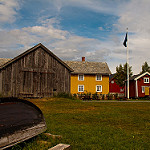
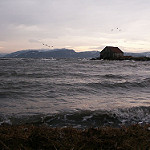
Museet Kystens Arv ble åpnet i 1989 med formål om å bevare og formidle kystkulturen på Trøndelagskysten. Museet har en av landets største samlinger av tradisjonsbåter, eget trebåtbyggeri, utstilling om Lofotdrifta, smie, flere naust, husmannsplass, bruksbåter, sengeplasser, teltplasser og kafé. Museet ligger på Stadsbygd i Rissa ved fjorden, kun 17 kilometer fra Trondheim. Det er ei åpen fin bygd vendt mot sør med utsikt over fjorden. Museet ligger ved utløpet av Prestelva, som er et fint turområde, der også Tinnarosen kafé ligger.
Lofotdrifta
Dette er en fast utstilling bygd rundt båten «Den siste viking», en storfembøring bygget for 75 år siden i etterkant av utgivelsen av boka skrevet av Johan Bojer. Den gir et innblikk i livet til lofotfiskerne for over hundre år siden.
Båtbyggeriet
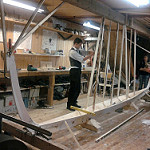
På Båtskott trebåtbyggeri bygges båter fra 8 til 60 fot. De har spesialisert seg på bygging av tradisjonelle klinkbygde båter fra Midt-Norge.
Museet Kystens Arv i Stadsbygd, Rissa er et kystmuseum for kysthandverk, trebåter, trøndernes deltakelse på sesongfiskerier utenfor Trøndelag samt kystkultur generelt på Fosen. Museet har en betydelig samling av tradisjonelle åpne bruksbåter, arkiv, foto, gjenstander og levesett knyttet til båtene. Museets båtbyggeri er viden kjent for sine klinkbygde tradisjonsbåter.
De faste utstillingene
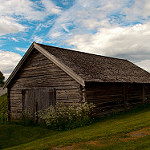
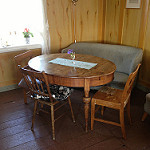
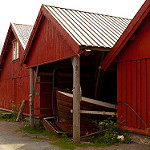
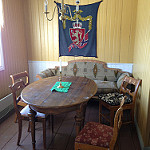
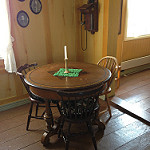
Museet Kystens Arv har en fast utstilling, ”Lofotdrifta,” som viser trøndernes deltakelse på Lofotfisket på 1800-tallet, ei strandsitterstue som viser livet til de fattige fiskerne før de dro over havet til Amerika, ei heimefiskeutstilling vises i Aarlotnaustet og to naust har utstilt tradisjonelle bruksbåter.
Handverkshus og båtbyggeri
Museets handverkshus og båtbyggeri er den største bygningen på området. I dette omfangsri-ke huset finner du 1100 m2 med båtbygging, i tillegg til seilmakerloft, bøkkerverksted, fin-snekkerrom, riggarbeidsrom, båtskott, maskinrom, materiallager og et spennende overbygd uterom med barkeplass og tømmersag. Her er også plassen for restaurering av større råseglbåter. Båtbyggeriet er åpent hele året for besøkende, og det arrangeres omvisninger hvor båtbyggerne gir inngående kunnskap i en tusenårig tradisjon.
Teater
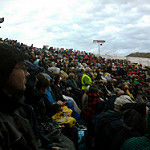
Museet formidler deler av kystkulturen gjennom teateroppsetninger og dramatiserte guidinger. Sammen med Rissa ungdomslag setter museet opp friluftsteatret ”Den siste viking” av Johan Bojer i amfiet ved Prestelva. Amfiet har plass til 1000 tilskuere og det er gode parkeringsmuligheter i nærheten. På husmannsplassen Rønningan settes det opp Johan Bojers roman ”Folk ved sjøen” i de årene det ikke er spelår. Her er det plass til 300 tilskuere pr forestilling.
Segling
Råseglbåten ”Den siste viking II” finner du på Trondheimsfjorden fra mai til september. Museets høvedsmenn tilbyr segling for grupper, firma, vennelag, skoleklasser, barnehager med mer i sommermånedene. Det arrangeres egne seglkurs for de som vil ut og sette sjøbein, og det kan bestilles segling som varer i noen timer eller i flere dager. Underveis lærer man knuter, heising av segl, å ro, ord og uttrykk om bord og litt om vær og vind.
Kilde: mist.museum.no
Photos by silkeybeto, estenvik, Ole Husby, Fergus Walker,